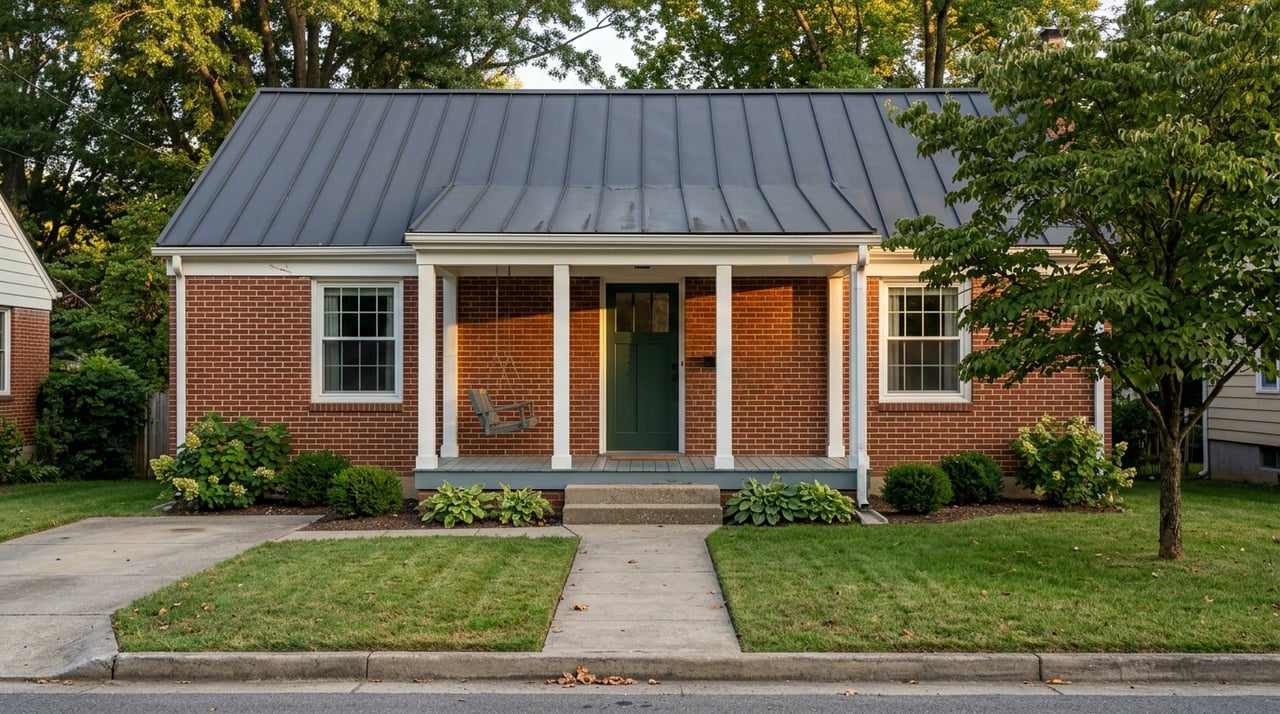
Wondering if Wilkes County might be the right fit for your next move? If you want a place with small-town convenience, easy access to the outdoors, and room to spread out, this part of North Carolina deserves a closer look. Before you buy, it helps to understand how Wilkes County is laid out, what daily life feels like, and where homes, land, and infrastructure can vary a lot from one area to the next. Let’s dive in.
Why Wilkes County draws buyers
Wilkes County sits in the foothills just south of the Blue Ridge and covers more than 753 square miles. It is a rural county, but it is not all remote in the same way. The central area around Wilkesboro and North Wilkesboro functions as the main service hub, and county planning materials note that about half of residents live within five miles of those towns.
That layout matters when you are choosing where to live. You can find areas with a more town-centered feel, along with communities that offer a middle ground between convenience and open space. You can also find more land-oriented settings where privacy and elbow room are part of the appeal.
Outdoor access is one of the biggest reasons people look here. Stone Mountain State Park spans Alleghany and Wilkes counties and is known for its granite dome, trails, and historic homestead area. Closer to Wilkesboro, W. Kerr Scott Reservoir adds boating, fishing, recreation, and wildlife access to the local mix.
The county also offers a modest but meaningful small-town amenity base. Wilkesboro tourism information highlights attractions like MerleFest, the Yadkin River Greenway, the Wilkes Heritage Museum, local orchards, mountain biking, and views of the Blue Ridge and Brushy Mountains. If you are looking for a place that feels more grounded and local than suburban, Wilkes County often checks that box.
What daily life feels like
Life here is usually shaped by where you land on the map. In and around Wilkesboro and North Wilkesboro, you are closer to services, employers, and public utilities. As you move outward, the landscape becomes more rural, more wooded, and in some areas more dependent on planning ahead for things like internet, septic, and road access.
Countywide, Wilkes County has an estimated population of 66,233 as of July 2025. The local economy reflects a mix common in rural North Carolina, with roots in agriculture and manufacturing and growing reliance on health care, retail, and other service industries. Major employers listed in the county’s 2025 economy overview include Lowe’s, Tyson Foods, Wilkes Community College, Wilkes County Schools, Atrium Health, Samaritan’s Purse, Wilkes Regional Medical Center, ECMD, Carolina West Wireless, and Walmart.
That job mix supports a practical, everyday market. Some people live near the central towns for shorter drives and easier access to services. Others choose communities farther out and accept a longer drive in exchange for more space or a quieter setting.
Getting around in Wilkes County
Most daily life in Wilkes County still depends on a car. Countywide mean travel time to work is 25.9 minutes, which reflects the county’s spread-out geography and road-centered pattern. If you are moving from a larger metro, it is smart to expect more driving as part of normal life.
There is limited public transportation. The Wilkes Transportation Authority provides public transportation, especially for elderly, disabled, impoverished, and disadvantaged residents. County materials say WTA operates one fixed route, the Wilkes Express Shuttle, along with on-demand trips serving most of Wilkesboro and North Wilkesboro.
Those same county materials note that many on-demand riders come from places like Millers Creek, Pleasant Hill and Elkin, Moravian Falls, and Fairplains. There is also intercity bus service connecting Boone to Winston-Salem through Wilkesboro and Yadkinville. Even with those options, most buyers should still treat car access as a key part of location planning.
Housing in 28697 and across Wilkes County
If you are focused on the 28697 ZIP code around Wilkesboro, you are looking at a more compact slice of the county. The ZIP area covers 62.3 square miles and had an ACS 2024 five-year population estimate of 13,412, with a median age of 43.4. It also shows a median owner-occupied home value of $218,500, which is higher than the countywide median of $168,800.
That difference helps explain why 28697 often feels more town-centered. The area’s mean commute time to work is 22.6 minutes, lower than the county average. For many buyers, that can mean easier access to shopping, jobs, and services without giving up the foothills setting that makes the county appealing.
Countywide, the owner-occupied housing rate is 73.5 percent, and the median rent is $723. Most buyers will encounter a housing stock that is primarily owner-occupied and single-family detached. County planning materials also note that mobile homes have long been part of the local housing mix.
Where different parts of the county feel different
A move to Wilkes County is not just about the county as a whole. It is also about choosing the kind of setting that fits your day-to-day needs.
Central Wilkesboro and North Wilkesboro
The highest concentration of development is in and around Wilkesboro and North Wilkesboro. These areas are generally the strongest fit if you want easier access to town water and sewer, employers, and a more connected daily routine. If you are relocating from out of area and want a smoother transition, this central corridor is often the easiest place to start your search.
Middle-ground communities
Communities like Millers Creek, Pleasant Hill, Moravian Falls, and Fairplains often appeal to buyers who want balance. County transit planning suggests these areas function as a bridge between the central towns and the more rural outer county. In practical terms, that can mean a mix of convenience, space, and a less in-town feel.
More rural and land-oriented areas
Eastern Traphill, Edwards, New Castle, and Somers townships, along with parts of Mulberry, Rock Creek, Brushy Mountain, Beaver Creek, and Moravian Falls, tend to read as more rural. These are the areas where buyers are more likely to trade convenience for privacy, acreage, and a quieter setting. If that is what you want, the opportunity can be real, but so is the need for stronger property-level due diligence.
What acreage buyers should watch closely
If you are shopping for land or a home with acreage, Wilkes County offers real possibilities. At the same time, not every pretty parcel is equally simple to use or improve. This is one of the biggest places where local guidance matters.
County planning materials say about 35 percent of Wilkes County has slopes of 30 percent or greater. Steep slopes can make roads, septic systems, and building sites more difficult and more expensive. A property that looks ideal online may require a much closer look once you factor in topography and access.
Land use across the county is a mix of woodland, agricultural land, and urban development. That can create a lot of variety in what you find, from in-town lots to wooded tracts to open rural parcels. If you are buying with plans to build, hold, or develop in the future, you will want to match the property to the level of infrastructure and usability you actually need.
Utilities and internet can vary by location
One of the most important moving-to-Wilkes realities is that utilities are not the same everywhere. County planning says town water and sewer are strongest in Wilkesboro and North Wilkesboro. Outside that core, service levels can vary more by township and road corridor.
Broadband also deserves careful attention. County materials note that some townships still do not meet FCC broadband thresholds, even though most major roadway areas do. If you work remotely, rely on streaming, or need dependable connectivity for a business, checking internet options early is a must.
For many buyers, the best approach is simple:
- Confirm water and sewer availability
- Ask about septic status if public sewer is not available
- Verify internet service at the specific address or parcel
- Consider road access and terrain, especially on acreage
- Balance privacy with the drive time you can live with
Is Wilkes County right for you?
Wilkes County can be a strong fit if you want a foothills lifestyle with outdoor access, small-town amenities, and options that range from in-town convenience to rural privacy. The central corridor around Wilkesboro and North Wilkesboro tends to offer the easiest day-to-day logistics. The farther out you go, the more important it becomes to evaluate access, utilities, internet, and terrain.
For some buyers, 28697 will feel like the sweet spot because it offers a more compact market with shorter commutes and a higher concentration of services. For others, the right move may be a home or tract outside town where space and setting matter more than being close in. The key is knowing what tradeoffs you are willing to make before you fall in love with a property.
If you are planning a move to Wilkes County and want plainspoken guidance on homes, land, or rural property questions, Jeff Dollar can help you sort through the local details and move forward with confidence.
FAQs
What is Wilkes County, NC, like for new residents?
- Wilkes County offers a rural foothills setting with a central service hub around Wilkesboro and North Wilkesboro, plus access to outdoor recreation, small-town amenities, and a range of housing and land options.
What is the 28697 area like in Wilkes County?
- The 28697 ZIP code around Wilkesboro is more town-centered than many outlying parts of the county, with a population estimate of 13,412, a median owner-occupied home value of $218,500, and an average commute of 22.6 minutes.
Do you need a car to live in Wilkes County?
- In most cases, yes. Wilkes County has limited transit through the Wilkes Transportation Authority, but daily life is still largely road-centered and most buyers should expect to rely on a car.
What should land buyers check in Wilkes County?
- Land buyers should pay close attention to slope, road access, septic potential, utility availability, and internet service because terrain and infrastructure can vary significantly across the county.
Which parts of Wilkes County are more rural?
- Areas such as eastern Traphill, Edwards, New Castle, and Somers townships, along with parts of Mulberry, Rock Creek, Brushy Mountain, Beaver Creek, and Moravian Falls, are generally more rural and land-oriented.
Are utilities and internet consistent across Wilkes County?
- No. Town water and sewer are strongest in Wilkesboro and North Wilkesboro, and some townships still have broadband gaps, so buyers should verify services at the specific property they are considering.