If you are eyeing a mountain property near the ski slopes, it is easy to focus on views and distance to the lifts. In Avery County, though, the better investment question is often how smoothly a guest can arrive, park, settle in, and get onto the mountain. When you understand what drives bookings in this market, you can make a more confident purchase. Let’s dive in.
Why Avery County draws slope investors
Avery County’s slope market centers on two major resort areas: Beech Mountain Resort and Sugar Mountain Resort. Both are four-season destinations, which matters if you are thinking beyond a winter-only income stream.
Beech Mountain Resort reports a peak elevation of 5,506 feet, a base elevation of 4,675 feet, 95 skiable acres, 17 trails, tubing, two terrain parks, and 100% snowmaking. Sugar Mountain lists a 4,100-foot base, a 5,300-foot summit, a 1,200-foot vertical drop, 125 skiable acres, 20 trails, 14 night trails, and 100% snowmaking.
That combination gives buyers a clear reason to study this market closely. You are not just buying near a ski hill. You are buying into two established mountain destinations that attract guests across multiple seasons.
Focus on access, not just distance
One of the biggest mistakes investors make is judging a property by map distance alone. In this market, guest convenience often matters more than how close a home looks on paper.
A true ski-in/ski-out unit can stand out. At Sugar Mountain, the resort FAQ notes that some condo units offer ski-in/ski-out access, while others are just a short walk away, and the rental operation highlights on-site parking and front desk support.
That kind of setup reduces friction for guests. Easy access, clear parking, and a simple arrival experience can be more appealing than a property that is technically nearby but harder to use.
What guest friction looks like
In practical terms, guest friction is anything that makes the stay less convenient. That can mean confusing parking, a long uphill walk in winter gear, or a check-in process that feels unclear after a long drive.
By contrast, properties that offer a smooth arrival tend to match what the local resort market is already promoting. Beech Mountain Resort Lodging emphasizes homes close to slopes, trails, and events, while Sugar Mountain highlights short-walk access, parking, and support services.
Why parking matters more than buyers expect
Parking is not just a guest convenience. It is also part of the underwriting picture.
Sugar Mountain’s code requires off-street parking for multi-family structures and allows off-site spaces only within reasonable walking distance or with shuttle service. Banner Elk short-term rentals must provide on-site parking, including at least one space for every two bedrooms.
If a property has weak parking or an awkward lot layout, that can affect how usable it is for guests. In mountain markets, simple logistics often have a direct impact on reviews, repeat stays, and day-to-day operations.
Compare condos and detached homes carefully
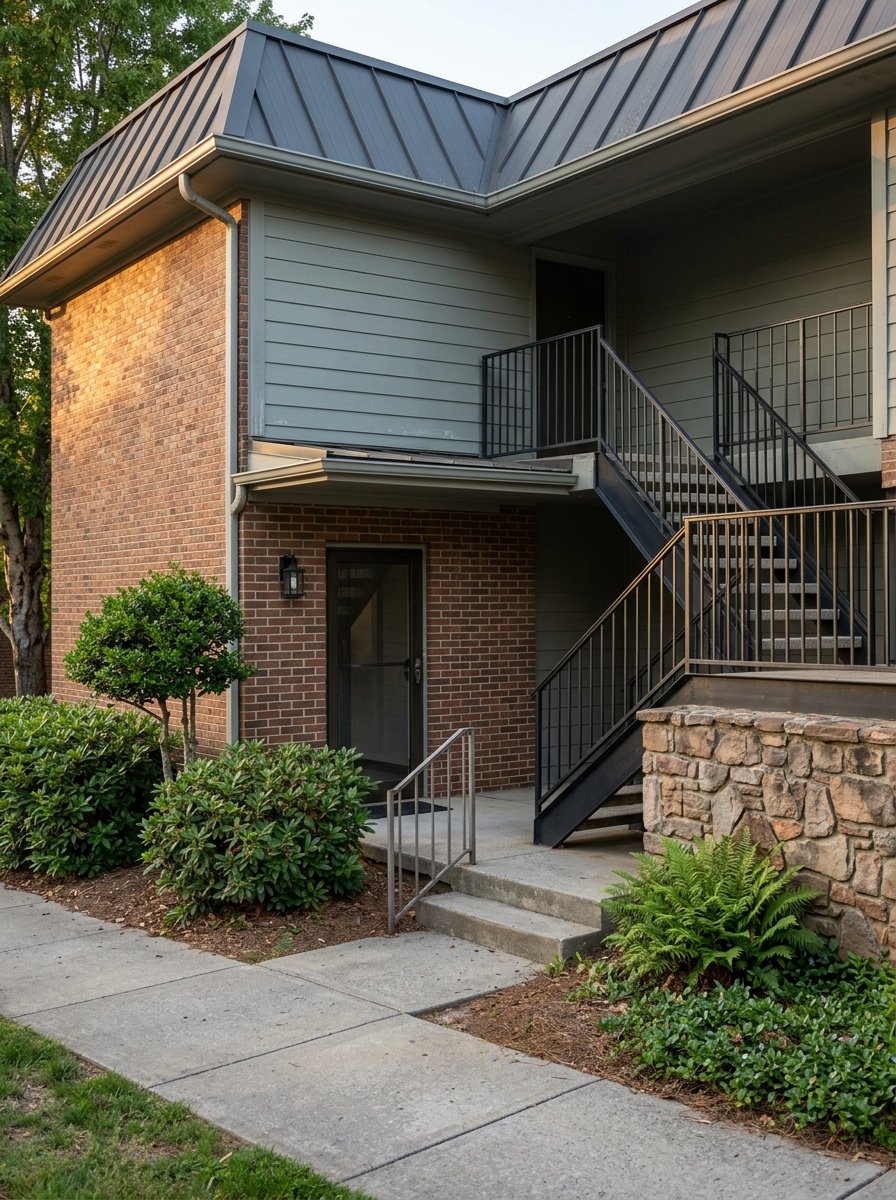
Near the slopes, the property type matters almost as much as the location. Condos and detached homes can both work, but they usually fit different ownership styles.
Condos can be easier to operate when they come with resort-style management, front desk support, or shared amenities. Detached homes can offer more flexibility, but they often require more hands-on oversight around safety items, trash handling, local contacts, and tax reporting.
Here is a simple side-by-side look:
| Property type | Potential advantages | Key considerations |
|---|---|---|
| Condo | Easier guest access, shared amenities, simpler arrival experience, possible on-site support | HOA rules, parking limits, less flexibility for exterior changes |
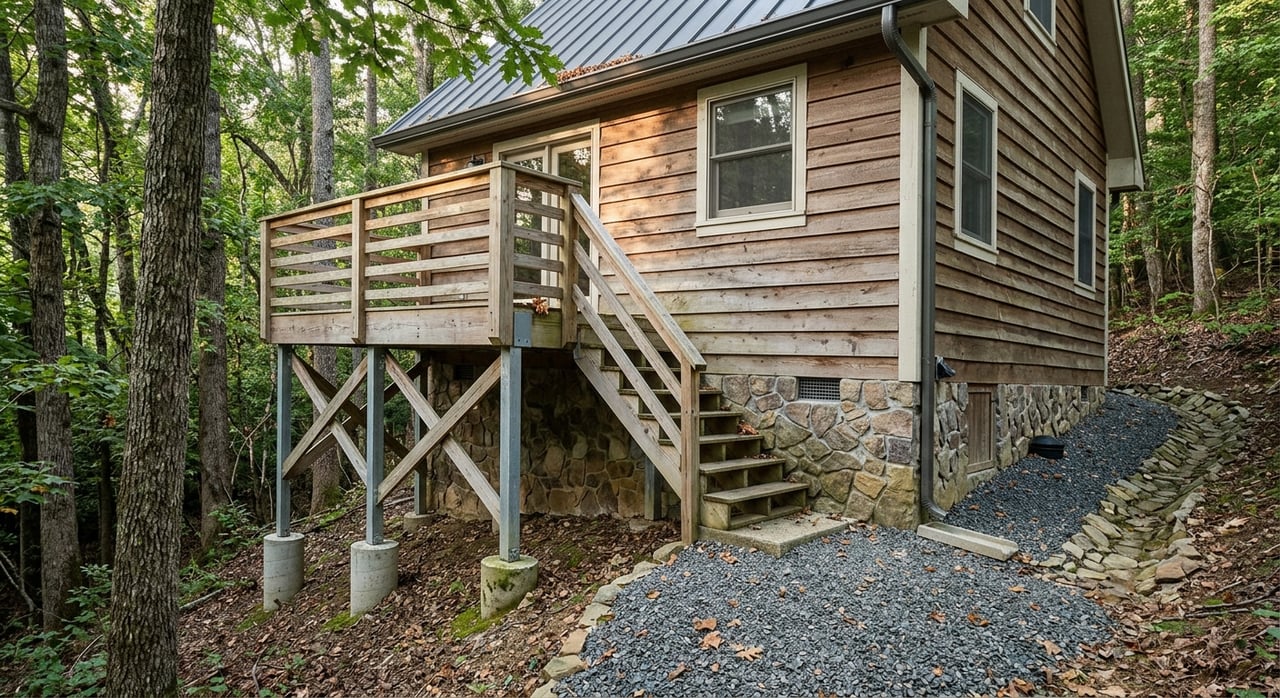
| Detached home | More privacy, flexible layout, broader use options | More owner oversight, trash and safety compliance, parking and access need closer review |
For many buyers, the better choice comes down to how involved you want to be. If you want fewer moving parts, a well-located condo may be appealing. If you want more control and a different guest experience, a detached home may fit better.
Look for amenities guests actually value
In a slope-area rental, amenities should support the stay, not just decorate the listing. The features that tend to matter most are the ones that make a trip easier and more comfortable.
A strong setup can include Wi-Fi, easy gear rentals, family-sized layouts, and shared amenities like a pool, hot tub, or sauna. Resort materials for Beech Mountain and Sugar Mountain repeatedly highlight these kinds of features, along with on-site rentals, wireless internet, restaurants, and family-friendly lodging options.
That tells you something important about guest expectations. In this market, convenience and comfort are not extras. They are part of what helps a property stay competitive.
Understand the four-season demand story
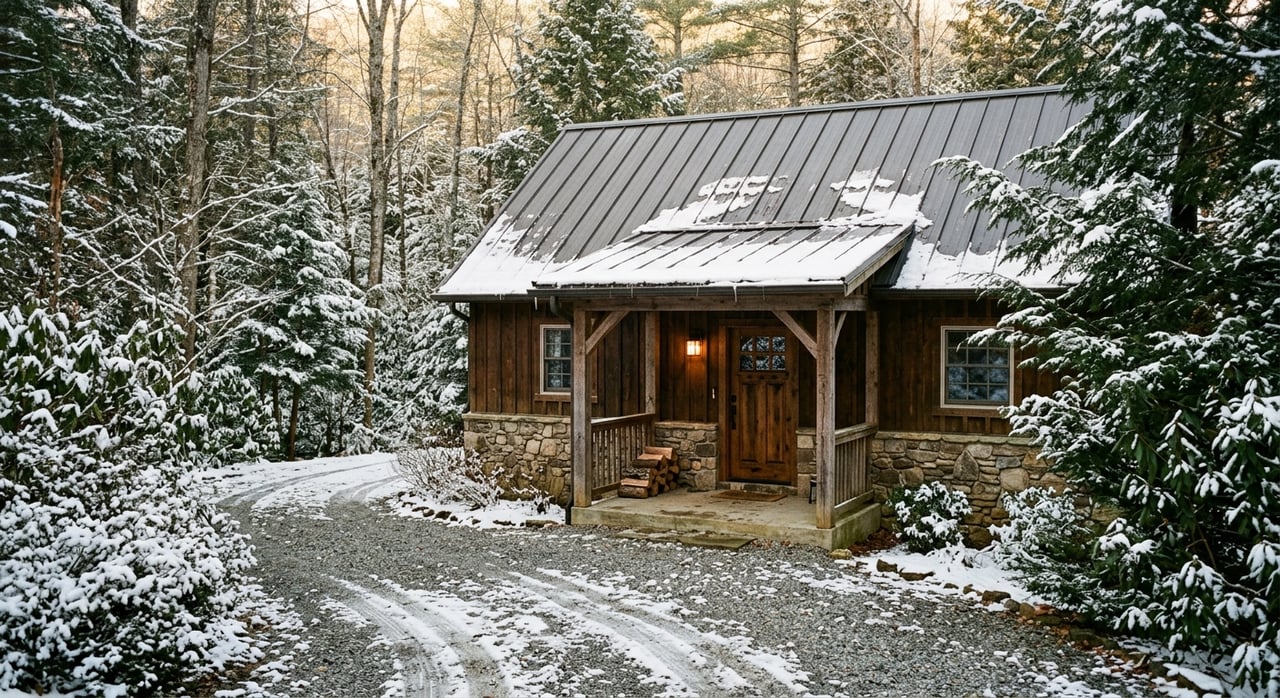
Winter is still the main driver for slope-area demand. Both resorts are active ski destinations, and their snowmaking capacity supports winter operations in a meaningful way.
At the same time, this is not a one-season market. Sugar Mountain’s annual Oktoberfest draws visitors with fall foliage, live music, arts and crafts, chairlift rides, free parking, and shuttle service.
Summer demand also matters. Beech Mountain Resort Lodging points to scenic chairlift rides, lift-served mountain biking, hiking, disc golf, mile-high yoga, and live music, while Sugar Mountain’s summer trail map highlights golf, tennis, rafting, caving, and gem mining.
Why shoulder seasons matter
If you are evaluating an investment near the slopes, shoulder seasons can help shape your expectations. A property that works well for winter guests but also appeals during fall and summer may have a broader booking window.
That does not mean every property performs the same way year-round. It means the surrounding resort ecosystem supports more than ski traffic, which can be a positive sign when you are weighing long-term use and marketability.
Compliance can shape the investment
A good-looking property can still be a poor fit if the rules are hard to manage. In this part of the High Country, local short-term rental requirements should be part of your review from the start.
Banner Elk has a detailed framework for short-term rentals. Its code permits short-term rentals only in certain zoning districts and requires a one-year permit for whole-house rentals under 90 consecutive days unless the property is rented fewer than 14 days in a calendar year.
Banner Elk also states that permits expire upon sale or transfer. That is an important detail if you are buying with rental plans in mind, because a seller’s setup does not automatically carry over to you.
Banner Elk rules to know
If you are considering a property in Banner Elk, key operating rules include:
- Overnight occupancy is capped at two guests per bedroom plus two additional guests, with an overall cap of ten guests.
- A designated responsible party must be located within 20 miles and able to respond within 45 minutes.
- Special events such as weddings and large gatherings are prohibited.
- Listings must show the maximum occupancy, on-site parking, and short-term rental registration number.
- Owners must keep a three-year logbook of rental dates and nightly rates.
- Monthly occupancy-tax paperwork must be filed even if a booking platform remits taxes or the month had no rentals.
- The town’s occupancy-tax definition states a 6% rate.
Those rules do not make investing impossible. They simply mean your ownership plan needs to be realistic and organized.
Beech Mountain requirements to review
Beech Mountain also has specific rental requirements. The town requires an annual Property Rental Affidavit of Compliance by January 1, rental registration with the Town Tax Administrator, monthly occupancy-tax reports due by the 15th, and a 6% occupancy tax.
The town also requires a landline capable of dialing 911 during a power outage and bear-resistant trash bins for rental single-family homes. Its checklist also points owners toward smoke detectors, carbon monoxide alarms, fire extinguishers, chimney and heater safety, and emergency-escape planning.
For buyers, this is a reminder that mountain property investing is not just about purchase price and projected rent. It is also about whether you can manage the local requirements consistently.
A practical way to evaluate a slope property
When you tour or review a potential investment, try to keep your checklist simple. The strongest slope-area rentals are often the ones with the least friction for guests and the cleanest compliance path for owners.
Start with these questions:
- How easy is arrival in winter weather?
- Is the property ski-in/ski-out, walkable, or supported by clear parking and shuttle access?
- Does the layout match likely guest use?
- Are the amenities meaningful for families or weekend travelers?
- Is parking clearly workable under local rules?
- Are the short-term rental requirements manageable for your ownership style?
- Will the property appeal beyond ski season?
That kind of review can help you avoid expensive surprises. It also keeps your attention on the factors that are most likely to affect real-world use.
Why local guidance matters
Buying near the slopes in Avery County is not just about finding a cabin or condo that looks good online. It is about understanding the mountain setting, the access story, the parking reality, and the local rules that come with ownership.
If you are buying from out of town, those details can be even harder to sort through on your own. A local real estate guide can help you compare options, spot practical issues early, and focus on properties that fit your goals.
If you are thinking about investing near Beech Mountain or Sugar Mountain, Jeff Dollar can help you evaluate mountain properties with a clear, local perspective and hands-on support throughout the process.
FAQs
What makes a slope-area property in Avery County more attractive to guests?
- Properties near Beech Mountain Resort or Sugar Mountain Resort tend to benefit most from easy access, clear parking, a smooth arrival process, and practical amenities like Wi-Fi, family-sized layouts, and on-site or nearby support.
What should you check about parking for a ski property near Sugar Mountain?
- You should verify whether the property has workable off-street parking and whether the layout supports guest use, since Sugar Mountain code addresses parking requirements and allows off-site spaces only in limited situations.
What short-term rental rules matter in Banner Elk for investors?
- Banner Elk rules include zoning limits, permit requirements, occupancy caps, local contact response requirements, listing disclosure rules, logbook recordkeeping, and monthly occupancy-tax filing requirements.
What rental requirements apply to Beech Mountain properties?
- Beech Mountain requires rental registration, an annual compliance affidavit, monthly occupancy-tax reports, and certain safety and operational items such as a 911-capable landline during outages for rentals and bear-resistant trash bins for single-family rental homes.
Is investing near the slopes in Avery County only about winter income?
- No. Winter is a major demand driver, but Beech Mountain and Sugar Mountain also support fall and summer visitor activity through events and outdoor recreation, which can broaden a property’s seasonal appeal.