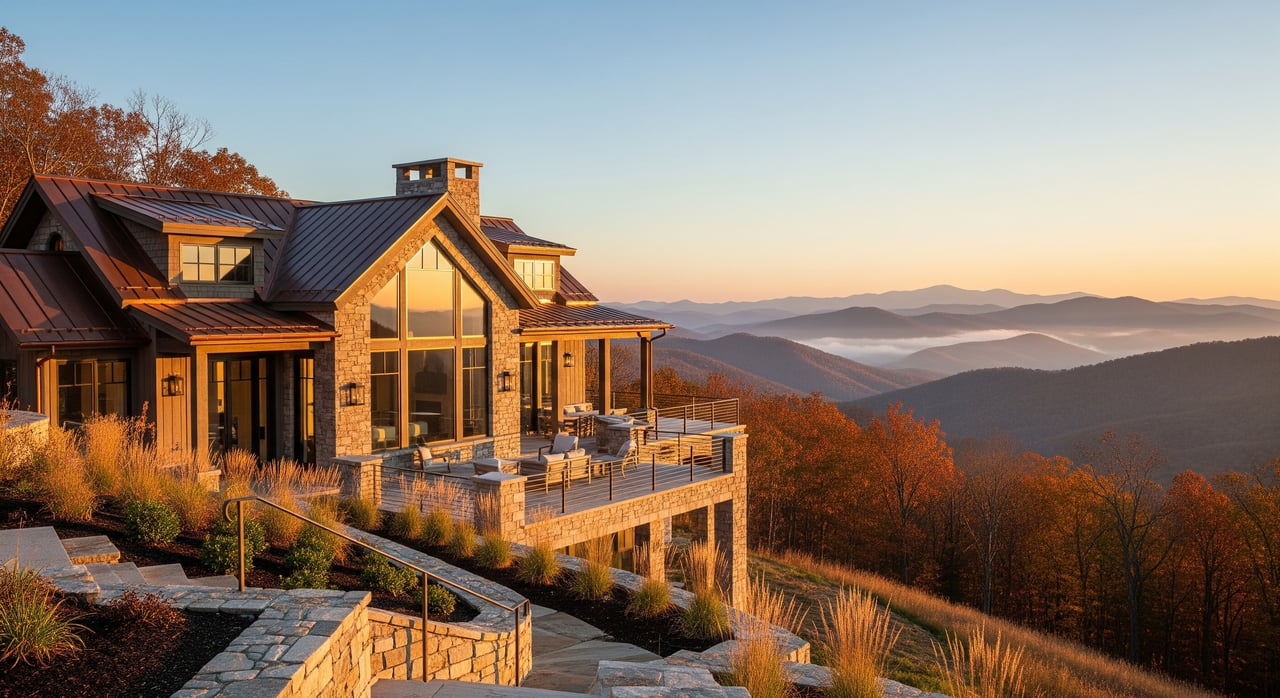
Thinking about timing your move in Blowing Rock? The seasons here do more than change the views. They shape buyer traffic, showing activity, pricing power, and even how fast a home closes. Whether you want to sell during peak demand or buy when competition eases, understanding the local rhythm can save you time and help you make smarter decisions. Let’s dive in.
Why seasons matter in Blowing Rock
Blowing Rock is a resort town with a strong tourism cycle. Summer, fall foliage, and holiday weekends bring visitors who also tour homes, which raises showing counts and offer activity. Winter weather can slow travel and access, so showings often ease until spring.
The market is also influenced by second-home and short-term rental buyers. Many of these buyers visit during peak seasons and may bring cash or non-contingent offers. Because the town has limited developable land and strict terrain and conservation areas, a few listings going under contract can tighten inventory fast.
Peak months: summer and leaf season
June through August is one of the strongest periods for showings and quick offers. Good weather supports open houses, drive-bys, and spur-of-the-moment tours. Late September through October brings leaf season, which creates a second surge of visitor traffic and buyer interest.
Weekend and holiday spikes can produce short bursts of intense demand. If your property has mountain views, outdoor living areas, or proximity to major attractions like the Blue Ridge Parkway or Grandfather Mountain, buyers tend to notice during these months.
Off-season opportunities: winter and early spring
From November into January, visitor levels often drop after early holiday weeks. Snow and ice can limit travel and reduce showings. February is typically the slowest month for in-person tours, although ski-season visitors can still generate targeted interest.
For buyers, this window can offer more negotiating leverage and less competition. For sellers, fewer active listings can create an opportunity to stand out, but you should prepare for weather-related logistics and potentially longer timelines.
How seasonality shifts key metrics
Listings and inventory
Sellers often list in late spring and early summer to capture peak traffic and better curb appeal. There is usually a second listing wave in late summer or early fall before foliage peaks. In late fall and winter, some owners delay or withdraw listings until conditions improve.
Because Blowing Rock is small with limited buildable land, supply can be sensitive to a handful of properties going under contract. That means inventory can feel tight in the middle of peak demand.
Showings and buyer traffic
Summer, leaf season, and holiday weekends draw the most showing volume. If you are buying, expect more appointment competition during these times. If you are selling, you can benefit from higher foot traffic and more qualified eyes on your property.
Off-peak months give buyers more time to evaluate properties and schedule thorough inspections. Virtual tours become more important when weather makes travel hard.
Days on market and closing time
Days on market often shortens in peak months as more buyers are touring. In slower seasons, DOM can increase, although well-priced homes still move quickly. Out-of-area buyers may need more time for financing and logistics, which can extend the time to close even when DOM is short.
Pricing and negotiation
Sellers typically have more leverage during high-traffic months. Multiple offers, limited contingencies, and above-list outcomes become more likely. In the off-season, buyers may secure price concessions, repair credits, or flexible dates.
Second-home and investor buyers often pay premiums for standout features like long-range views, proximity to trails and key attractions, and turnkey condition. Cash or non-contingent offers are common in that segment.
Short-term rental income patterns
Most STR revenue in Blowing Rock concentrates in summer and fall. Peak occupancy often aligns with holiday weekends and foliage season. These patterns can affect investor valuations and the timing of offers, especially when buyers underwrite projected income.
Seasonal planning for sellers
Spring prep checklist
Spring is when inventory typically starts to build. Listing in late April or May puts you in front of buyers planning summer stays.
- Refresh exterior photos when plants green up and skies clear.
- Service HVAC, check roofs and gutters, and complete small repairs.
- Tidy driveways and entries for easy showings.
- Stage outdoor areas so buyers can picture summer and fall use.
Summer listing strategy
Summer offers strong visibility and high showing counts. It is a good time to showcase outdoor features and views.
- Price with peak demand in mind, supported by local comps.
- Prepare for quick offer timelines and a higher volume of showings.
- Keep the property cool, clean, and easy to access.
- Plan for weekend surges and same-day requests.
Fall staging tips
Leaf season creates powerful emotional appeal. Properties with views, fire pits, and cozy interiors shine.
- Update listing photos to capture fall colors if timing allows.
- Highlight turn-key elements that appeal to second-home buyers.
- Keep walkways clear of leaves for safe and clean showings.
- Be ready for multiple-offer scenarios if pricing aligns with demand.
Listing in late fall and winter
Some sellers pause, which can reduce competition for those who stay active. Buyers in this period may be motivated and focused.
- Provide virtual tours and robust photo sets, including summer photos if available.
- Ensure safe access with snow removal and clear steps and porches.
- Consider flexible closing dates to accommodate out-of-area buyers.
- Watch weather forecasts to plan showings and inspections.
Seasonal planning for buyers
Buying during peak months
Peak seasons bring more choice and faster movement. Prepare for a competitive environment.
- Get preapproved and set clear criteria before touring.
- Tour early in the day on weekends and be ready to act.
- Focus on must-have features like view corridors or trail access.
- Ask for recent STR performance if you plan to rent.
Buying in the off-season
You may find fewer competing buyers and more negotiating power, but inventory is also lower.
- Be flexible on timing and travel, watching for weather windows.
- Request detailed disclosures and consider longer due diligence.
- Use virtual tours and remote walkthroughs to filter options.
- Weigh price leverage against limited selection.
Out-of-area buyer logistics
If you live outside the High Country, plan for a mix of virtual and in-person steps.
- Schedule showings during peak travel months if you want to see more homes in one trip.
- Build in extra time for financing, appraisals, and scheduling.
- Ask your agent for remote support, from video tours to vendor coordination.
STR and regulations to consider
Revenue calendar basics
Summer and fall often carry most of the annual STR income in Blowing Rock. Holiday weekends can push occupancy and rates higher. Shoulder seasons still book, but at lower levels on average.
Rules and permits
Town-level ordinances, business licensing, and county or state taxes can affect net returns. Many HOAs restrict rentals or set minimum terms. Always verify current rules with the Town of Blowing Rock, Watauga County, and your HOA before assuming rental income.
Management and winter readiness
Peak seasons require reliable turnover and cleaning teams. In winter, snow removal, driveway access, and plumbing protection matter for both guests and showings. Insurance needs can differ for STRs, so speak with a qualified carrier about proper coverage.
What to watch each month
Local market metrics
Track these indicators to time your decisions:
- Active inventory and new listings by month in the High Country MLS
- Median days on market by month and property type
- Median price and price per square foot trends
- Number of showings per listing when available
- STR occupancy and average daily rate through trusted data sources
Regional cues
Visitor counts and event calendars help predict foot traffic. Weather and road conditions, including Blue Ridge Parkway access, affect showability. Proximity to Boone and the Appalachian State University calendar can influence travel patterns, although Blowing Rock’s buyer pool skews more to second-home and vacation use.
A simple seasonal timeline
- Spring, March to May: Listings begin to rise. Sellers prep homes, buyers gain choices, and competition builds.
- Summer, June to August: One of the strongest periods for showings and quick offers. Prepare for fast movement.
- Early fall, September to October: Leaf season brings a second peak. View-focused homes perform well.
- Late fall, November to January: Showings often slow after early holidays. Some sellers pause listings.
- Winter, February: Typically the quietest month for showings, with targeted traffic from winter visitors.
Work with a local guide
Blowing Rock’s small size means the market can shift quickly when a few properties go under contract. Pair that with weather, tourism surges, and second-home demand, and timing becomes a real advantage. If you want a clear plan for when to list or when to buy, tap a local advisor who knows the High Country rhythms and can manage the details for you.
If you are weighing your next move, reach out to Jeff Dollar for practical, local guidance and a plan built around your timeline.
FAQs
When should I list in Blowing Rock to maximize price?
- Late spring through summer and early fall typically deliver the most buyer traffic, which can support stronger pricing if your home is positioned well.
Is winter a good time to buy in Blowing Rock?
- Winter often brings fewer competing buyers, which can improve negotiating leverage, though inventory is usually lower and weather can slow logistics.
How does weather affect showings and closings in the High Country?
- Snow and ice can limit access, reduce in-person showings, and delay inspections, so plan for safe entry and allow extra time in contracts.
Do short-term rentals change buyer competition in Blowing Rock?
- Yes. Investor and second-home buyers often target high-yield properties and may offer cash or limited contingencies during peak seasons.
What features get the most attention during peak seasons?
- Long-range views, proximity to major outdoor attractions, practical access, and turnkey condition often draw strong interest in summer and leaf season.
I live out of state. How should I plan tours?
- Combine virtual screening with one focused trip during a higher-activity month, then budget extra time for financing and scheduling to reach a smooth closing.