Pricing land in Alleghany County is not as simple as picking a price per acre. In the High Country’s steep, scenic terrain, access, topography, utilities, and views can shift value more than acreage alone. If you’re in 28623, you want a clear, local process to set a confident price and attract the right buyers. This guide walks you through what matters, how to document it, and the steps to build a smart pricing strategy. Let’s dive in.
What drives land value in 28623
Access: legal and physical
Clear legal access or public road frontage is a major value driver. If access relies on permission or an unrecorded path, buyers will discount the price because financing and future resale can be harder. Physical access also matters: steep or rutted driveways, stream crossings, and unclear road maintenance add cost and risk. Document access with recorded easements or plats, photos of the approach, and estimates for any needed road or culvert work.
Topography and buildable area
In the mountains, usable, gently sloped ground is often the true currency. Steeper slopes can require extra grading, engineered foundations, and stormwater controls, which lower what buyers are willing to pay. Show your site’s potential by sharing contour maps and a simple plan that highlights likely building areas. If needed, get a contractor or site engineer to estimate grading and drainage costs so buyers can see the path to build.
Views and natural amenities
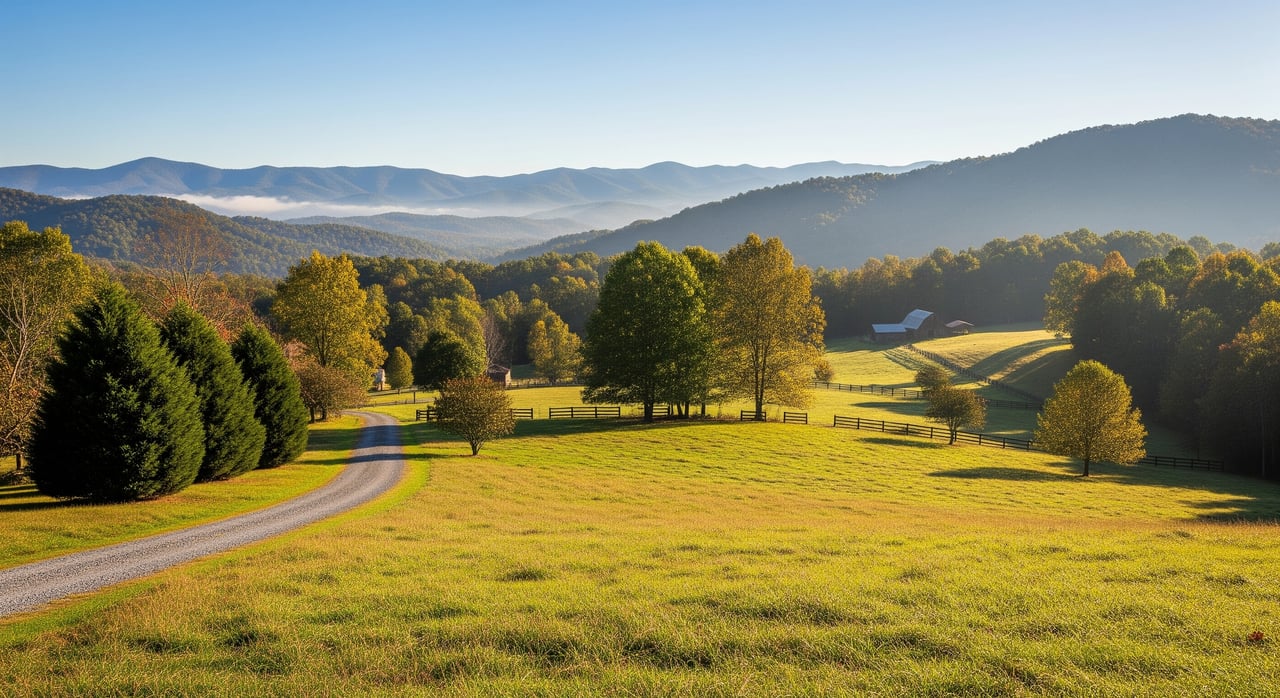
Panoramic mountain views and private ridgelines can command a premium with residential and second‑home buyers. The size of that premium depends on your buyer segment and parcel specifics. Help buyers visualize the upside with high‑quality photos, possible drone imagery, and clear vantage points from likely building sites. For forested parcels, limited view clearing to reveal sightlines can boost interest.
Utilities: water, septic, electricity, broadband
Public sewer is uncommon outside town limits, so most parcels will need a well and onsite septic. A recent soil evaluation or permitted septic site increases price because it reduces uncertainty. If you don’t have recent soils info, map your soils on the USDA NRCS Web Soil Survey and coordinate a county health evaluation. Also document the distance to electric service and any provider estimates for line extensions, and verify realistic internet options since rural buyers value reliable connectivity.
Location and proximity
Distance to Sparta, groceries, medical services, and primary highways influences demand. Commuters often prefer shorter drive times, while recreational buyers may prioritize privacy near the Blue Ridge Parkway, rivers, or trailheads. Create a short list of key travel times and nearby outdoor assets to position the parcel for your most likely buyer.
Parcel shape, size, and potential
Frontage on a maintained road and a practical shape that supports a building site or subdivided lots will pull in more buyers. Larger tracts often sell at a lower price per acre than small homesites, while very small, well‑located parcels can fetch a higher per‑acre price. If subdivision potential exists, check local lot size and infrastructure requirements to estimate theoretical lot yield.
Title, easements, and restrictions
Conservation easements, timber restrictions, or transferred mineral rights can limit future use and lower market value. On the flip side, marketable timber with a recent cruise can add value. Work with a real estate attorney for title review and assemble recorded easements, road agreements, and any covenants so buyers see a clear picture.
How to price using comps in Alleghany County
Start with the sales comparison approach
For rural residential and recreational land, recent comparable sales are the most reliable way to price. Focus on closed sales from the past 6 to 24 months within the same micro‑market where possible. Match on effective, usable acreage rather than just total acres, and line up similarities in access, topography, utilities, and view.
Find and vet comps
Pull closed sales from the local MLS, county tax records, and land marketplaces. Aim for 3 to 6 solid comps, then adjust each one for the differences that matter: usable acres, road frontage and quality, utilities, slope, view, and any restrictions. Keep brief written notes explaining each adjustment and the reasoning behind it. Your goal is to arrive at a supported price range, not a single number.
Practical adjustment examples
- If your parcel needs a well and a comp had public water, account for the expected cost difference.
- If your parcel requires a long, steep private drive and a comp fronts a county‑maintained road, reflect the added roadwork cost.
- If your parcel offers a panoramic view and a comp does not, include a view premium supported by evidence from similar view sales.
When to get a formal appraisal
If a buyer will use financing, or if your sale involves estate or tax planning, a licensed appraiser with rural land experience can provide a detailed, independent valuation. Appraisers use the same comparison logic but have access to more closed sales data and will consider highest and best use.
Site and regulatory checks that affect price
Septic, percolation, and wells
A successful perc test or septic permit builds buyer confidence and can lift price. If you have no recent results, schedule a soils evaluation and gather any nearby well logs if available. Use the USDA NRCS Web Soil Survey for preliminary soils information, and coordinate with the county health department for onsite testing and permits.
Floodplain, wetlands, and stream buffers
Floodplain or wetland areas can reduce usable acreage and introduce permitting requirements. Before you price, review your parcel on the FEMA Flood Map Service Center and flag any regulated waterways or buffers that might limit building.
Zoning and environmental rules
Check county zoning or development rules for minimum lot sizes, setbacks, and subdivision standards. For questions about environmental permitting or protected resources, consult the North Carolina Department of Environmental Quality. These factors shape lot yield and site costs, which flow directly into price.
Timber and conservation
If timber value is material, consider a basic timber cruise. The USDA Forest Service and state forestry resources can guide sustainable management and stumpage context. If your land is under a conservation easement or tax benefit program, disclose terms early so buyers understand any limits.
Pricing strategy that maximizes your net
Reduce uncertainty before listing
The more questions you answer upfront, the stronger your price. Consider these high‑impact steps:
- Update or commission a boundary survey and mark corners.
- Complete a perc test or provide recent soil evaluation results.
- Gather utility letters or provider estimates for electric and internet.
- Create high‑quality photos and drone imagery showing access, potential build sites, and views.
- Add a simple site plan highlighting usable areas and topography.
Set a disciplined list price
Anchor your list price to well‑documented comps and your parcel’s unique features. Overpricing often leads to longer market time and lower final proceeds. Support your price with a short comp packet that shows adjustments and your rationale. For broader context on buyer trends, you can review National Association of Realtors research while keeping your pricing rooted in local comps.
Attract the right buyer pool
Tailor your marketing to likely segments. Recreational buyers respond to privacy, trail potential, and views. Builders want proof of a buildable site, utilities, and a clean path to permits. Small developers look for lot yield, road costs, and a high‑level feasibility summary. Use MLS exposure, land‑specific marketplaces, targeted social outreach, on‑site signage, and direct contact with local builders and investors.
Negotiate with confidence
Proof of legal access, septic feasibility, and utility availability reduces requests for price cuts. Be flexible on timing if a buyer needs room for diligence or permits. Consider seller financing only if it aligns with your risk tolerance and pricing goals.
Action checklist for 28623 sellers
- Pull parcel tax card, legal description, and GIS map; confirm acreage and boundaries.
- Verify or update a boundary survey; mark corners for showings.
- Schedule a perc test or obtain a recent soil evaluation; gather any nearby well data.
- Request written estimates or letters for electric and internet availability.
- Assemble recorded easements, road maintenance agreements, and any deed restrictions.
- Produce photos and a drone flyover; create a simple site map with access, likely build site, and contours.
- Compile 3 to 6 recent comps with notes on adjustments and differences.
Common buyer questions to prepare for
- “Can I build here?” Share perc results, any septic permits, likely build sites, and a basic site plan.
- “How do I get power and internet?” Provide provider names, service maps or letters, and realistic timing and cost estimates.
- “Is there clear legal access?” Present recorded easements or public road frontage and note maintenance responsibility for any private road.
- “What are the comps?” Offer a concise comp set with adjustments for access, slope, utilities, and view.
Final thoughts
In Alleghany County, the best path to a strong land price is a sales‑comparison approach grounded in usable acreage, proven access, utilities, topography, and view. The highest‑value steps you can take are to document septic feasibility, verify access and utility availability, and present clear, compelling imagery and mapping. Do this work upfront and your list price will stand up in the market and at the negotiating table.
If you want local, hands‑on help pricing your land in 28623, reach out to Jeff Dollar. With deep High Country experience and strong land marketing tools, you’ll get a clear plan from pricing to closing.
FAQs
How do I estimate land value in Alleghany County?
- Start with recent comparable sales in your micro‑market and adjust for usable acreage, access, utilities, slope, and views to set a supported price range.
What documents help me price land in 28623?
- A boundary survey, perc or soil evaluation, utility letters, access easements, and a short comp packet give buyers confidence and support your price.
How does a perc test impact price in the High Country?
- A recent perc approval or septic permit reduces uncertainty and often boosts price because buyers can see a clear path to building.
Which site checks should I run before listing?
- Review flood risk on the FEMA Flood Map Service Center, soils on the USDA NRCS Web Soil Survey, and local zoning rules and setbacks.
Do mountain views add value in Alleghany County?
- Yes, views can carry a premium, especially with residential and second‑home buyers, but the size of the premium depends on parcel features and current comps.
What if my parcel lacks recorded legal access?
- Expect a price discount and buyer hesitation; work with an attorney to formalize an easement before listing or reflect the risk in your pricing.