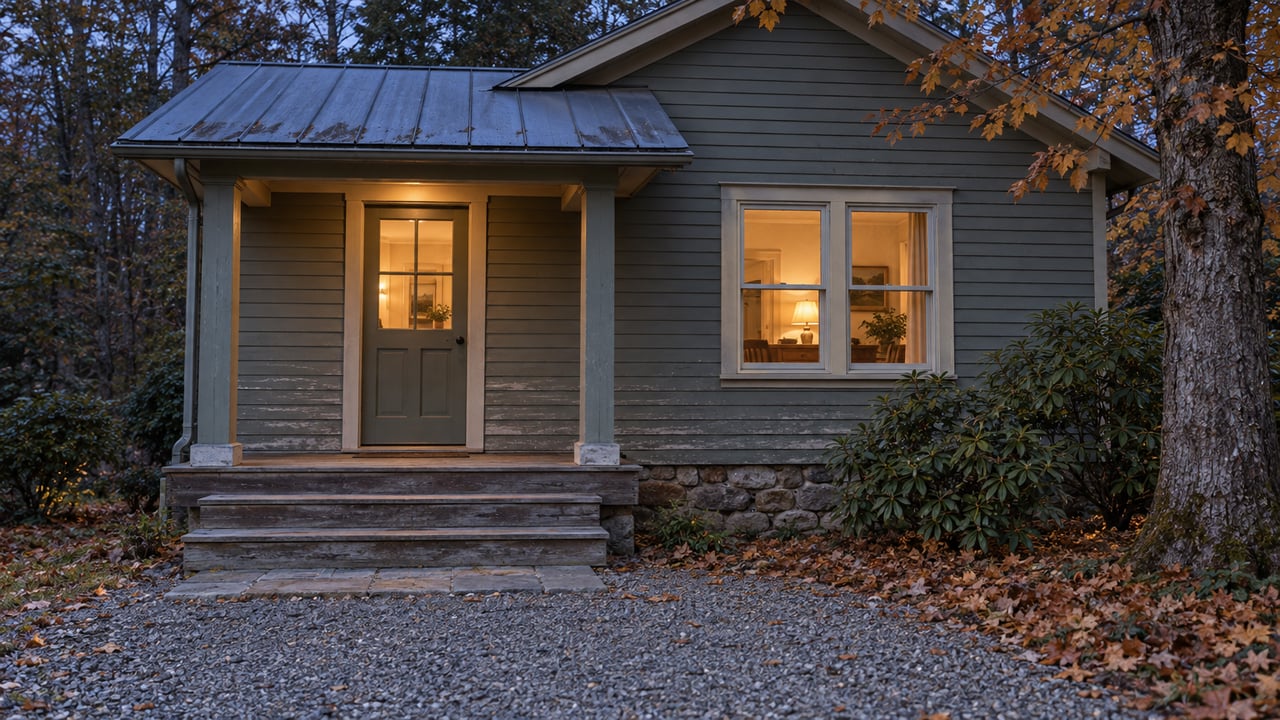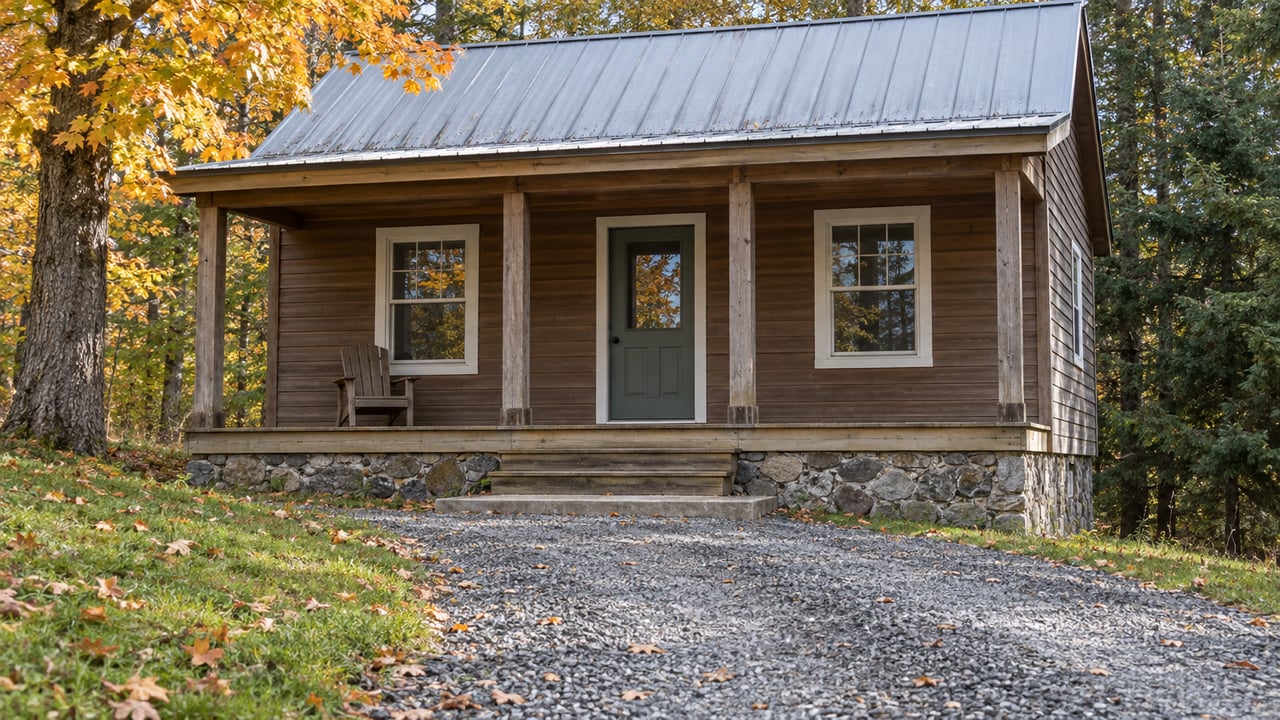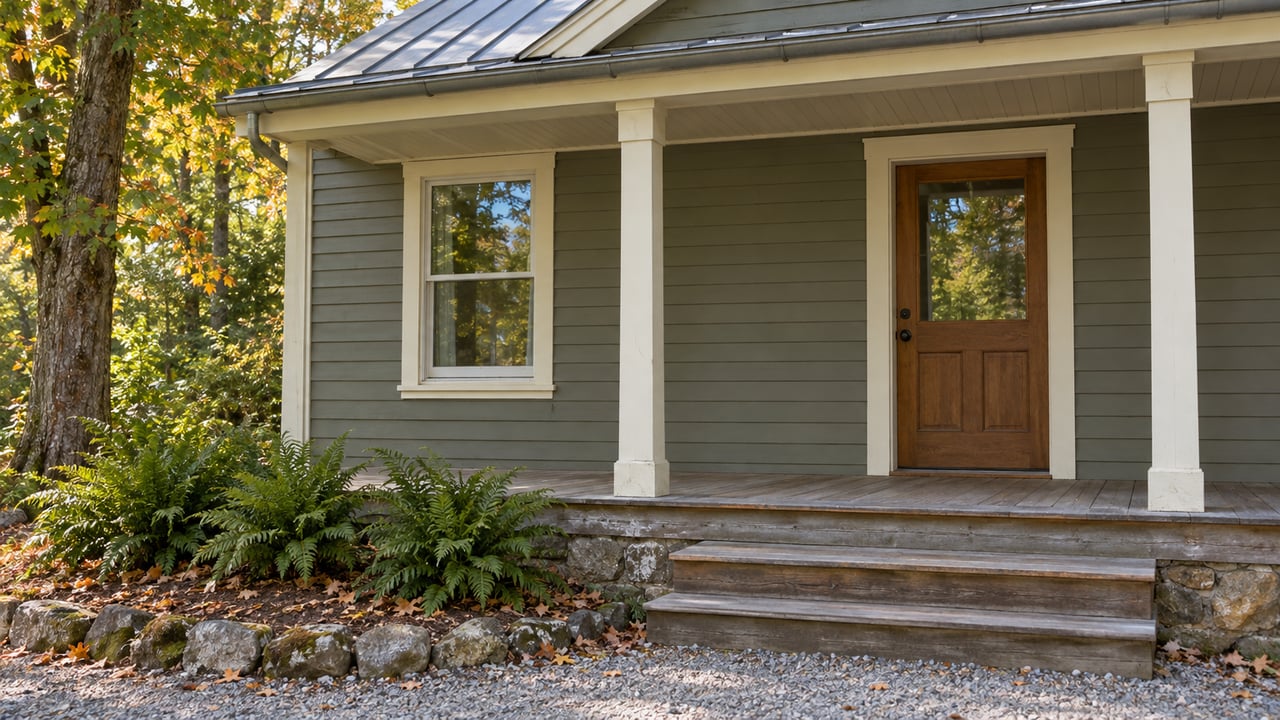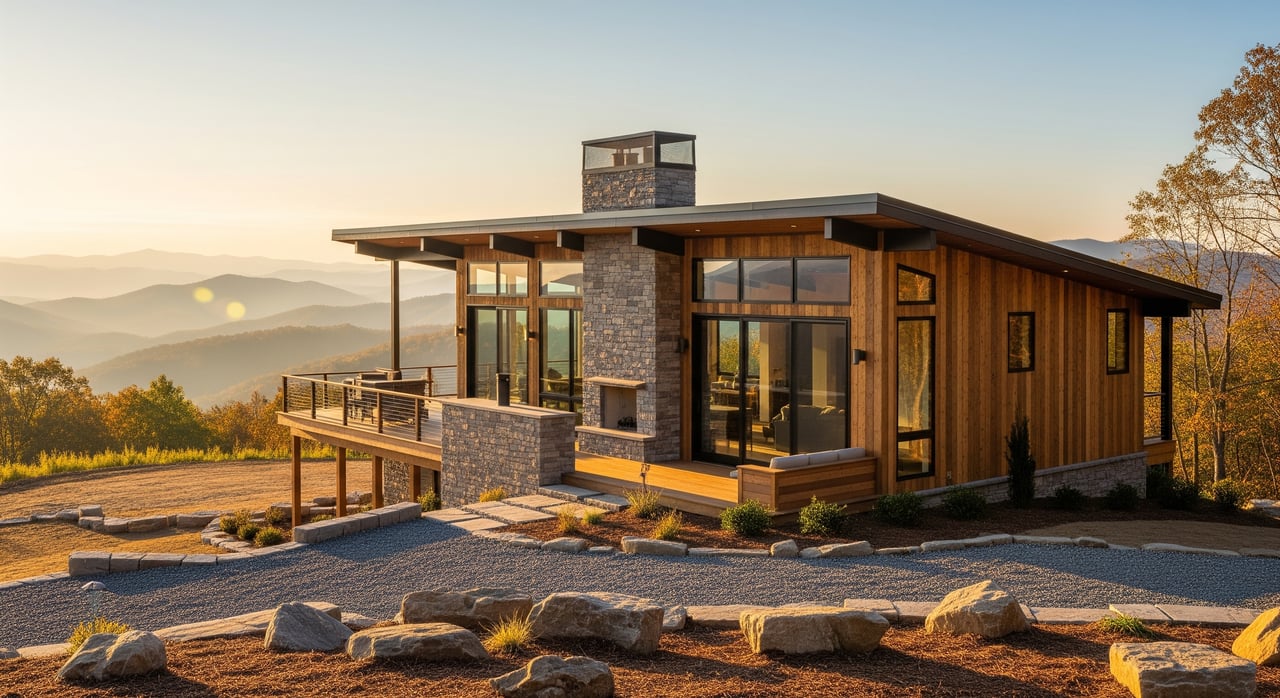
Thinking about a mountain place in 28640 but not sure if you should build or buy a cabin? You’re not alone. Many High Country buyers weigh speed and simplicity against customization and long-term value. In this guide, you’ll see clear timelines, real cost drivers, and a simple checklist to help you choose the best path in Ashe County. Let’s dive in.
Build or buy: quick answer
If you want to start enjoying the mountains soon and keep oversight light, buying an existing cabin is usually your best move. Expect 30 to 90 days from contract to close for a straightforward purchase. If you want a specific view, layout, or energy systems and you can manage a longer process, building can be worth it. New builds often take 9 to 18 months or more in the High Country, depending on site readiness and weather.
What makes Ashe County different
Ashe County’s terrain, climate, and rural utilities shape both timelines and budgets.
- Slopes and soils. Steep grades, thin soils, and rock can increase excavation and foundation costs. Driveway design often needs switchbacks, drainage, and surfacing.
- Winter conditions. Snow and ice can slow excavation and concrete work. Year-round access depends on driveway grade and maintenance.
- Private utilities. Many parcels use septic and wells. Public water is more common in towns and some developments.
- Power and internet. Electric extensions on remote lots can require new poles or transformers. Internet and cell coverage vary by location.
- Environmental rules. Stream buffers, floodplains, and erosion control requirements can limit where you build and how you disturb soil.
- Property governance. Some subdivisions have covenants, HOAs, and short-term rental rules. Others are unregulated. Access easements are common in rural areas.
If you buy an existing cabin
Buying an existing cabin gets you on the mountain fastest.
- Typical timeline: 30 to 90 days from contract to close, longer if title, survey, or well and septic negotiations add steps.
- Upfront costs: purchase price, closing costs, and inspections. You may also invest in early fixes like HVAC updates, septic service, driveway work, insulation, or cosmetic upgrades.
- Due diligence to prioritize:
- Home inspection, plus separate septic inspection if records are available.
- Verify road maintenance and any HOA obligations.
- Confirm floodplain status if near streams and check for radon and well water quality.
Buying proven rental cabins can offer faster income, but always confirm whether covenants or HOA rules allow short-term rentals.
If you build on acreage
Building gives you control over design, views, and systems. It also brings more moving parts.
- Typical timeline: 9 to 18 months from lot purchase to move-in. If a lot is already “ready” with septic approval, well access, utilities, and driveway, a small cabin can be completed in 6 to 9 months, weather and scheduling permitting.
- Major cost categories to plan:
- Site prep and tree clearing: often $5,000 to $50,000+ based on slope and rock.
- Driveway: often $5,000 to $40,000+ depending on length and grade.
- Septic: commonly $7,000 to $25,000+, higher for alternative systems.
- Well and pump: commonly $5,000 to $20,000+ based on depth and geology.
- Electric extension: near service can be <$2,000 to $10,000; long runs or transformers can be $10,000 to $50,000+.
- Foundation: $10,000 to $60,000+ depending on type and site.
- Home construction: often $150 to $300+ per square foot, with remote labor and custom finishes increasing cost.
- Professional fees and permits: $2,000 to $20,000 depending on complexity.
- Contingency: set aside 10 to 20 percent beyond bids for unknowns like rock, groundwater, or scope changes.
Lot readiness checklist for 28640
Before you buy land, confirm these items. They drive both timeline and budget.
- Zoning and setbacks. Confirm the zoning district, permitted uses, setbacks, and any rental limits with county planning.
- Access and driveway. Identify who maintains the road and whether a state-road driveway permit will be needed. Get a driveway cost estimate for steep sites.
- Septic feasibility. Order a soil and site evaluation from the county environmental health office before closing if possible.
- Water source. Confirm public water availability. If not available, consult a licensed well driller for depth and schedule expectations.
- Electric and internet. Locate the nearest power source and request a cost estimate for extension. Check internet providers and speeds for the parcel.
- Floodplain and streams. Verify flood status and note any riparian buffers.
- Erosion control. Understand whether your land-disturbing activities will require erosion and sedimentation controls.
- Foundation considerations. Steep or rocky sites can change the best foundation type and cost.
- Covenants and HOAs. Review any recorded covenants for building standards and short-term rental rules.
- Environmental checks. Plan for radon testing and well water quality testing.
Practical action: gather quotes and written confirmations for septic feasibility, well expectations, utility extensions, driveway costs, and any flood or soils constraints before you commit to a land purchase.
Permits and sequence in Ashe County
Plan your steps in this general order. Some tasks can overlap, but many contractors will not start without permits.
- Pre-purchase due diligence
- Contact county environmental health for septic feasibility and any existing system records.
- Verify zoning, setbacks, and building permit requirements with county planning and inspections.
- Check if an NCDOT driveway permit is needed for state road access.
- Review FEMA flood maps and consult soils resources for early screening.
- Septic permitting
- Schedule a soil and site evaluation. Alternative systems may be required if soils are limited.
- Well construction
- Hire a licensed well driller. Follow siting and setback rules. Plan for water quality testing.
- Building permit and inspections
- Submit building and site plans. Inspections will occur during foundation, framing, mechanical, electrical, plumbing, and final stages under the NC Residential Code.
- Erosion and sediment control
- If your land disturbance meets state thresholds, file an erosion control plan and obtain approvals before grading.
- Driveway or entrance permits
- Obtain an NCDOT permit for any new or modified driveway on a state-maintained road.
- Utility service applications
- Apply for electric, propane, and telecom service. Underground vs. overhead service will affect cost and scheduling.
Typical permit timelines range from several weeks to a few months, depending on complexity and county workload.
Financing basics for second homes
Buying an existing cabin
- Many buyers use a conventional mortgage for a second home or pay cash. Some lenders will require septic and well documentation.
Building a cabin
- Construction loans that convert to a permanent mortgage are common. Lenders often require a detailed budget, a licensed builder, a clear plan set, and a higher down payment with contingency reserves. For remote sites without public utilities, underwriting can be stricter. Start lender conversations early.
Scenarios: which path fits you
Want it now, low fuss
- Buy an existing cabin in your preferred area. You can enjoy it sooner and start renting earlier if allowed. Hire a qualified home inspector and confirm septic, well, and access details.
Want a custom cabin and a specific view
- Build, but only after septic, well, utilities, and driveway feasibility checks. Choose a builder with mountain experience and plan a realistic timeline.
Want rental income potential
- Verify covenants and HOA rules for short-term rentals. Buying an existing, permitted rental can deliver immediate income. A new build may perform well over time, but it will take longer to come online.
Smart timeline planning for 28640
Set expectations by season and site. Excavation and foundation work are more weather-sensitive. Roofing and interior work can proceed in winter, but travel and access can slow crews during snow or ice events. If you are choosing a remote lot, factor in the scheduling of well drillers, septic contractors, and utility providers. A small delay early can ripple through downstream tasks.
Next steps in Ashe County
- Define your priority: speed to use, customization, or rental performance.
- If buying, line up inspections for the home, septic, and well. Review access and any HOA rules.
- If building, secure septic feasibility, well expectations, utility extension quotes, and a driveway estimate before closing on land.
- Interview local builders and get a realistic schedule with a 10 to 20 percent contingency budget.
If you want local, plainspoken guidance from start to finish, reach out to Jeff Dollar. Jeff is a lifelong Ashe County resident with hands-on experience in both cabins and acreage. He can help you evaluate options, run due diligence, and move forward with confidence.
FAQs
What is the fastest way to own a cabin in 28640?
- Buying an existing cabin is typically fastest, with many closings in 30 to 90 days depending on inspections, title, and financing.
How long does it take to build a small cabin in Ashe County?
- Plan for 9 to 18 months from lot purchase to move-in, or 6 to 9 months if the lot is already fully ready with permits, utilities, and access.
What are the biggest hidden costs when building in the High Country?
- Driveways on steep sites, septic systems on marginal soils, long electric extensions, and rock encountered during excavation are common cost drivers.
How do I confirm if a lot can support a septic system?
- Request a soil and site evaluation through county environmental health; if soils are limited, ask about engineered or alternative systems and their costs.
Do I need a permit for a new driveway on a state road?
- Yes, a driveway or entrance permit is required for state-maintained roads, issued by the transportation department.
Can I build through winter in Ashe County?
- Yes, but expect slower progress during freezing weather for excavation and concrete; interior work can continue once the structure is dried-in.
What should I check before offering on a rural lot?
- Confirm zoning and setbacks, septic feasibility, well expectations, power and internet availability, driveway costs, flood or stream buffers, and any HOA or rental rules.