Thinking about a move to Ashe County and wondering what daily life really feels like from January through December? In a mountain market, the answer depends on more than the calendar. Elevation, weather patterns, visitor seasons, and rural property details can all shape your experience.
If you are buying, selling, or simply trying to decide whether Ashe County fits your lifestyle, it helps to understand the county one season at a time. This guide walks you through what to expect in Ashe County 28640 across winter, spring, summer, and fall, with practical notes for both homeowners and land buyers. Let’s dive in.
Ashe County Is A True Four-Season Market
Ashe County has a real four-season rhythm, and that is one of the reasons so many people are drawn to it. Based on NOAA climate normals from the Jefferson 2 E station, the area has an annual mean temperature of 51.1 degrees, about 50.95 inches of annual precipitation, and around 14.4 inches of annual snowfall.
One of the biggest things to understand is that elevation changes the experience. Mount Jefferson State Natural Area rises to 4,465 feet, and temperatures there can be several degrees colder than in West Jefferson. If you are looking at a ridge-top home, a higher-elevation cabin, or land near the park, you may see earlier winter conditions, later spring warming, and different heating needs than you would in lower areas.
Winter In Ashe County
Winter Weather Expectations
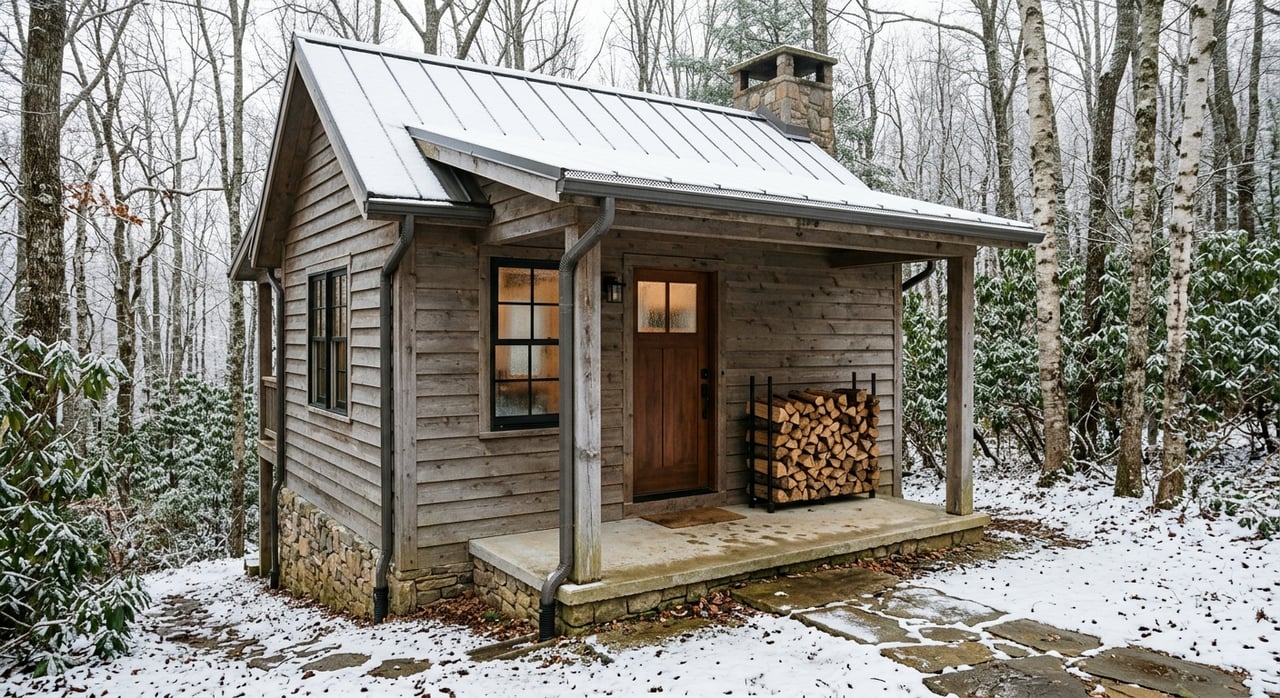
Winter in Ashe County is quiet, scenic, and colder than many buyers expect if they are coming from lower elevations. From December through February, the mean temperature is about 34.5 degrees, with daily highs generally in the 40s and lows in the 20s. The season averages roughly 11.3 inches of snow and 11.22 inches of precipitation.
That means freeze and thaw cycles are a normal part of life. Roads, driveways, roofs, and water lines can all feel the effects, especially at higher elevations. If you are considering a mountain property, winter practicality matters just as much as winter views.
What Winter Living Feels Like
For many residents, winter is the lower-key season. Tourist traffic is generally lighter than in summer or fall, which can make the area feel especially calm. You still have access to mountain scenery, and Mount Jefferson remains open year-round.
The Blue Ridge Parkway road is also open year-round, but weather and maintenance can cause temporary closures. If scenic driving is part of why you want to live here, it is smart to check road status during winter and after major storms.
Winter Home Maintenance Tips
Cold weather puts extra pressure on a home, especially a part-time property or vacant house. NC State Extension recommends several basic steps to help prevent frozen pipes:
- Disconnect hoses
- Drain exterior lines
- Seal leaks around pipes
- Keep heat set no lower than 55 degrees if the house is empty
- Have someone check the home daily when you are away
The North Carolina Department of Insurance also advises clearing leaves and sticks from gutters and downspouts. If snow builds up on the roof, using a roof rake can help reduce problems from accumulation.
Spring In Ashe County
Spring Weather And Landscape Changes
Spring in Ashe County arrives as a wet transition season. March has a mean temperature of 41.4 degrees, and by May that rises to 58.2 degrees. Across March through May, the area averages about 14.18 inches of precipitation.
That mix of warming temperatures and frequent rain turns the county green fast. It is a season of change, and if you are house hunting, it can tell you a lot about drainage, road access, and how a property handles water.
What Spring Living Feels Like
Spring is a shoulder season for visitors, so you often get a little more breathing room than in peak fall months. At the same time, outdoor activity starts picking up as the weather improves and plant life returns.
Mount Jefferson is a strong spring destination for hiking, picnicking, and birdwatching. New River State Park also becomes more active, with access for hiking and day-use river outings at Elk Shoals in West Jefferson. At higher elevations, late spring into early summer can bring blooms like rhododendron, mountain laurel, and azalea.
Spring Property Checks
Spring is a good time to look closely at the condition of a home or land tract. After winter, clear gutters and downspouts and pay attention to how water moves around the house. In mountain terrain, drainage patterns can affect everything from crawl spaces to driveways.
If you are buying land, spring is also a practical season to ask hard questions early. NC State Extension notes that the local health department must complete a soil and site evaluation before septic installation. If soils are unsuitable, a lot may be unbuildable or more expensive to improve.
Summer In Ashe County
Summer Weather Expectations
Summer is warm, active, and often one of the easiest seasons for newcomers to enjoy. From June through August, Ashe County averages about 67.9 degrees, with highs around 78 to 81 degrees. The season also brings about 13.88 inches of precipitation.
Compared with many lower-elevation places in the region, summer here often feels more moderate. You still need to expect regular rain, but the mountain setting helps keep the season from feeling as heavy or intense as lower, hotter markets.
What Summer Living Feels Like
Summer is one of Ashe County’s busiest recreation seasons. According to the county’s comprehensive plan, citing VisitNC data, most visitors to the Mountain Region came during the summer or fall months.
That activity shows up in everyday life. New River State Park supports kayaking, inner tubing, camping, hiking, and picnicking, while West Jefferson’s Arts District runs gallery crawls from June through October. If you like a lively mountain-town atmosphere without losing access to nature, summer often hits a sweet spot.
Summer Home Maintenance Tips
Rain remains a practical concern during summer. With steady seasonal precipitation, it is worth watching how water moves across a lot and away from the foundation.
Keeping gutters clear and making sure surface water drains away from the home can help prevent bigger issues later. For buyers looking at acreage or sloped lots, summer storms can reveal a great deal about site conditions.
Fall In Ashe County
Fall Weather And Color Timing
Fall is the season many people picture when they think about Ashe County. From September through November, temperatures cool from a September mean of 62.7 degrees to a November mean of 42.0 degrees. The season averages about 11.67 inches of precipitation.
The Blue Ridge Parkway notes that fall color typically peaks in mid to late October. Higher elevations change first, then the color moves down into lower areas. In a county with ridges, valleys, and elevation shifts, that can create a longer feeling leaf season depending on where you are.
What Fall Living Feels Like
Fall is the busiest visitor season of the year. The Parkway describes leaf season as immensely popular, and October travel often requires booking well in advance. County planning and tourism materials also show strong summer and fall visitor activity, including September events in West Jefferson.
For residents and homeowners, that means beautiful scenery and a more active local rhythm. Scenic drives, overlook stops, and downtown activity all tend to increase. If you are considering an investment property or second home, fall gives you a clear picture of one of the area’s highest-interest seasons.
Fall Home Prep
Fall is the right time to get ahead of winter. Clean gutters, winterize exterior water lines, and protect pipes in unheated spaces before the first hard freeze.
These simple steps line up with guidance from the North Carolina Department of Insurance and NC State Extension. In mountain homes, especially those used part-time, early preparation can save you from costly cold-weather damage.
What Buyers Should Watch Closely
Elevation Changes Everything
In Ashe County, two properties that seem close on a map can live very differently. A higher ridge-top property may be several degrees colder than one closer to West Jefferson. That can affect snowfall, heating needs, winter access, and even when fall color and spring growth arrive.
If you are buying a primary home, second home, or cabin retreat, ask how the property feels in each season. This is especially important for remote buyers who may only tour during one part of the year.
Rural Utilities Matter
Many buyers moving into mountain markets focus first on views, privacy, or acreage. Those are important, but practical systems matter too. If a home uses septic, or if a land purchase will need a future septic system, verify those details early.
NC State Extension emphasizes septic-system maintenance and county health department oversight. For raw land, confirming whether a parcel can support a septic system should be part of your due diligence before you commit to a site.
Recreation Access Can Be Seasonal
One reason people choose Ashe County is the access to mountain roads, parks, trails, and river recreation. That lifestyle is real, but timing matters.
If you plan to use the Blue Ridge Parkway often, remember that sections can close during winter weather or for maintenance. Knowing how you want to live in the area helps you choose the right location and set the right expectations.
Why Seasonal Knowledge Matters In Real Estate
Understanding the seasons helps you make better real estate decisions in Ashe County. A home that feels perfect on a sunny October weekend may need a closer look at winter access, spring drainage, or utility setup. A beautiful piece of land may also need deeper review for septic suitability and long-term usability.
That is where local knowledge makes a difference. When you work with someone who knows Ashe County beyond the listing photos, you get a clearer picture of how a property fits your lifestyle all year long.
If you are thinking about buying, selling, or exploring land in Ashe County, Jeff Dollar can help you sort through the seasonal details and find the right fit for your goals.
FAQs
What is winter like for homeowners in Ashe County, NC?
- Winter in Ashe County is typically cold, with seasonal mean temperatures around 34.5 degrees, daily highs in the 40s, lows in the 20s, and about 11.3 inches of snow from December through February.
How does elevation affect living in Ashe County?
- Elevation can make a major difference in temperature, snow, heating needs, and seasonal timing, with higher-elevation properties often feeling colder than West Jefferson and seeing earlier winter conditions.
What is the rainiest season in Ashe County?
- Spring is a notably wet transition season in Ashe County, with about 14.18 inches of precipitation from March through May.
When is fall color peak season in Ashe County, NC?
- Fall color typically peaks in mid to late October, and higher elevations usually change first before color moves into lower areas.
What should land buyers check before buying in Ashe County?
- Land buyers should confirm whether a parcel can support a septic system, since the local health department must complete a soil and site evaluation before septic installation.
Is summer a busy time in Ashe County?
- Yes, summer is one of the busier seasons for recreation and tourism, with strong visitor activity across the Mountain Region and active outdoor use around the New River and West Jefferson.