Thirty thousand people filled North Wilkesboro Speedway on July 19 for the Window World 450, the track's first NASCAR Cup Series points race since 1996. Fans traveled in from 48 states, the District of Columbia, and eight countries as far away as Australia, backed in part by a $1.26 million reimbursement grant from the state's Major Events, Games, and Attractions Fund. The Hampton Inn in Wilkesboro sold out every one of its 75 rooms for the weekend, a first for a lot of first-time visitors and a flashback for the regulars who remembered when the track still ran races every year.
That's the version of the story that made the rounds nationally. It's accurate, and it matters. But if you live in Wilkes County and walk Main Street on an ordinary Tuesday, the more interesting number isn't from race weekend at all. It comes from the year before the race was even scheduled.
Eighty Years Older Than the Headline
Before getting to that number, it helps to know how deep this runs. North Wilkesboro Speedway's executive director Graig Hoffman has been working through photo albums from 1947, the track's fall race that year, and points out that the first true NASCAR schedule dates to 1949. Of the eight tracks on that original schedule, only two still exist: Martinsville and North Wilkesboro.
For longtime residents, that history isn't trivia. Wilkesboro resident Doug Williams remembers parking cars at the track as a kid with his grandparents, aunts, and uncles. It was the family's income for the year, covering their taxes and property insurance. Watching the track come back, he said, has been a dream come true.
That's the context missing from most of the race-weekend coverage. This isn't a town discovering NASCAR. It's a town that lost something in 1996 and has spent thirty years waiting to see if it would come back.
The Numbers That Predate the Green Flag
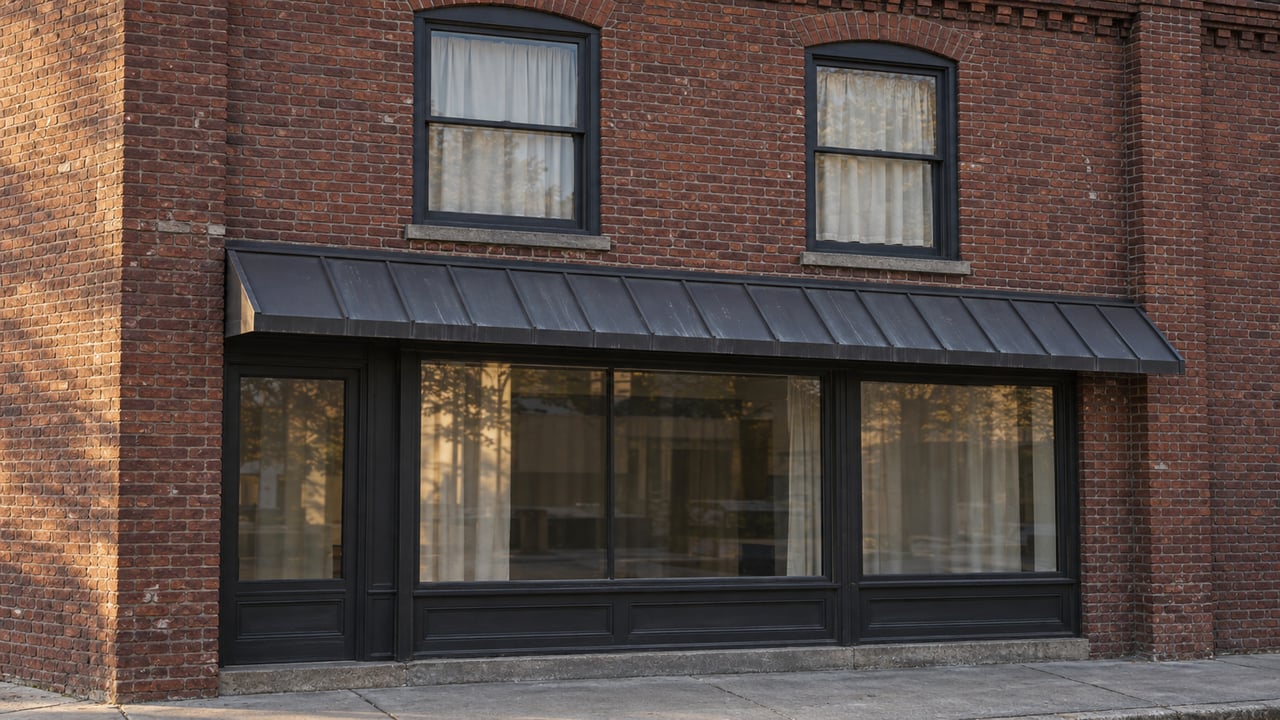
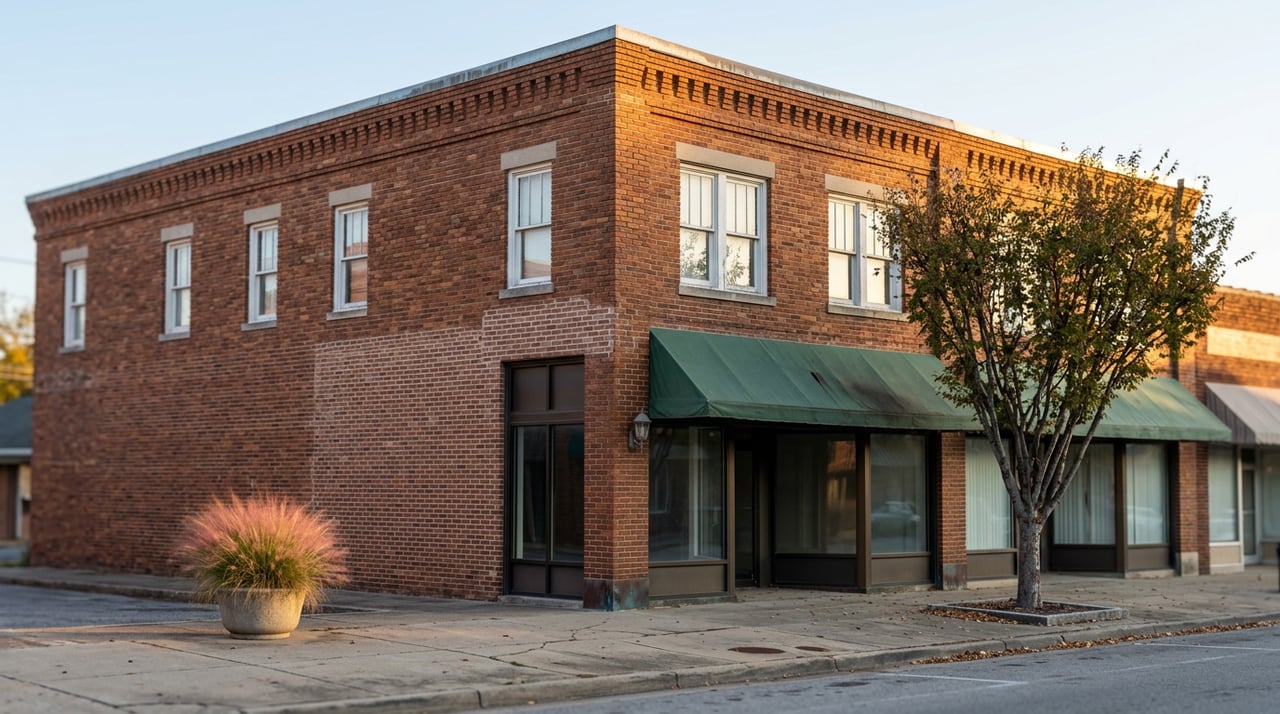
Here's the part that doesn't show up in Speedway recaps. In 2025, a full year before this summer's Cup Series race weekend, the Downtown North Wilkesboro Partnership recorded $2.9 million in public investment and $2.3 million in private investment across its 15-block, 90-storefront district. That produced eight facade improvements, 23 building improvement projects, and 15 business expansions. Downtown property values rose 54.75 percent as part of a countywide revaluation, according to the district's Main Street America Affiliate status renewal for 2026.
None of that depended on a sold-out grandstand. It's the slower machinery of a Main Street program: grants, facade repairs, and storefronts filling in one at a time. The town added another gear to it this summer. A new Downtown Building Improvement Grant Program opened for applications on July 1, 2026, two weeks before the race weekend, reimbursing 60 percent of eligible project costs up to $12,500 for property and business owners looking to fix up a building. Applications are accepted on a rolling basis. The program has nothing to do with the race calendar and will still be taking applications long after this year's checkered flag is a memory.
What Race Weekend Actually Buys
None of this means the Speedway doesn't matter to the local economy. The 2023 NASCAR All-Star Race, the first of three run at the track before this year's Cup race, generated a $42 million economic impact for the region, according to the N.C. Department of Commerce. That's a real number, and it's the kind of single-weekend spike that a Main Street facade grant will never produce on its own.
Seth Cohn, who owns TwoBoros Brewery and Pizzeria and Dooley's in Wilkesboro after years living in New York and Australia before settling here, described race weekends as some of his busiest days of the year. The pattern is predictable: people come out early to beat the heat, grab lunch, come back for an early dinner, then head to the track to watch the race.
That's a real spike. It's also just that, a spike. A hotel running at 100 percent occupancy for one weekend a year isn't the same thing as a downtown that keeps 90 storefronts occupied on a Tuesday afternoon in October.
As reported by MyFox8, Taylor Berry, North Wilkesboro's community development director, described the mood around the race this way:
"It's just really exciting to have something that's so true to the community. We're such a grassroots movement, and that's what NASCAR is."
Berry's quote is about the race, but it could just as easily describe the Main Street program. Both run on the same instinct: small, repeated investment that adds up over years, not just over a weekend.
The Storefronts That Don't Need a Race to Open
Walk Main Street on any given Saturday and the businesses drawing repeat visits aren't operating on a NASCAR schedule. The Lost Wombat, Cinder Bistro, Station 21, Ten Ten Thai, Talia Espresso, and Brushy Mountain Smokehouse & Creamery show up on local rundowns of North Wilkesboro dining not because they had a good race weekend, but because they're where people already go on a normal night.
Wilkes Coffee Company is a good example of the timing gap. Owner Brooke Souhail's shop had only been open a few months when race weekend hit, and still managed to serve hundreds of customers during Fan Fest and cater for Speedway staff working out of what they call the "war room." The shop opened on its own timeline, race or no race, and the crowd found it anyway.
Since 2023, the town's Social District has let people carry a drink between participating storefronts while they browse, a policy approved by the town council specifically to keep foot traffic moving between businesses rather than sitting at one bar all night. That's a permanent feature of downtown now, available every weekend the district operates, not just during race week.
The Project That Has Nothing to Do With Racing at All
The clearest evidence that downtown's momentum isn't tied to a race schedule is underground, in a creek bed. Construction on a 1,700-foot extension of the Yadkin River Greenway along Cub Creek is set to begin in 2026, funded by a $1.6 million ARPA grant awarded to Wilkesboro. The project will restore roughly 3,800 feet of eroded creek bank and tie into the greenway's existing route, which already runs 8.1 miles from the W. Kerr Scott Dam to Smoot Park.
A separate $499,100 state grant is funding design work for a proposed pedestrian bridge across the Yadkin, nicknamed "Bridge the Boros," that would connect the greenway sections on either side of the river near Memorial Park. The system's newest completed section, linking Smoot and Memorial parks, is already open and offers two trailheads and a river access point.
None of that appears in a race weekend recap. It's the kind of project funded through ARPA dollars and state planning grants, not ticket sales, and it will still be under construction in October when the grandstands are empty and the fans have gone home.
Reading the Whole Season, Not Just the Sunday
The lesson for anyone living in Wilkes County isn't really about NASCAR. It's about how to read local news. The race weekend headlines are loud, and for one Sunday, completely true. Thirty thousand people did fill that grandstand. That hotel really was booked solid. But the numbers that will still hold in December, the facade grants, the business expansion count, the creek restoration, were already moving before the checkered flag existed as a date on anyone's calendar.
If you want a real read on what's changing in this county, the building permits and grant announcements tell you more than any single Sunday afternoon can. That's the kind of local detail worth tracking on the Wilkes County page, and it's the kind of read Jeff Dollar keeps close, because it tells you where this county is actually headed, race weekend or not.
This article is general information, not legal, tax or financial advice. Consult a qualified professional about your situation.